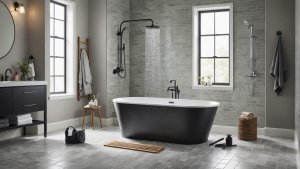
When undertaking a bathroom remodel, homeowners often grapple with a pivotal decision—whether to install a bathtub, a shower, or a combination of both. Each choice presents its distinct set of advantages and disadvantages, necessitating a thoughtful evaluation of the pros and cons before arriving at an informed decision. Let’s delve into the benefits and drawbacks of each option, carefully considering which would work best for your bathroom.
In the realm of bathroom design, the decision between a shower and a bathtub, or both, holds significant weight. Home buyers, for instance, may place importance on at least having one tub in the house, making the choice between a shower and a bathtub a critical factor in deciding the fixture for your bathroom. The focal point of a bathroom often centers around the decision between a shower and a bathtub, with considerations ranging from the size of the bathroom to the potential resale value of the home. Showers, known for their water efficiency, have become a popular choice, especially for those thinking about resale value. On the other hand, bathtubs offer relaxation and are deemed an ideal choice for smaller spaces, making them ideal for homeowners who enjoy a hot soak. Ultimately, the size of your bathroom and your preferences will guide the decision-making process, helping you determine whether a shower, a bathtub, or a combination of both best suits your needs. With considerations such as the standard-sized tub or a curbless walk-in shower, making an informed decision between a tub or a shower becomes crucial. Whether it’s installing a tub for a relaxing soak or opting for the convenience of a quick shower, the choice you make will not only impact the aesthetics of your bathroom but also contribute to the resale value of your home.
Pros and Cons of Bathtubs (Ideal for perfect Bathe)
Bathtubs and shower stalls play a crucial role in the design and functionality of bathrooms. Opting for a tub with a shower head or deciding between a shower and a tub can impact the overall experience and usage of the space. For those prioritizing relaxation and stress relief, a tub provides a luxurious environment to unwind after a long day, making it a potential focal point in your bathroom.
However, the choice between tubs and showers involves considering various factors. In smaller bathrooms, the installation of a shower stall might be more practical, given its space efficiency. It’s important to note that showers generally use less water, making them an environmentally friendly option.
When contemplating the inclusion of a tub in your home, you need to weigh the advantages and drawbacks. While a tub can add a touch of luxury to a full bathroom, it may pose challenges in terms of space and installation requirements, especially in smaller settings. Deciding between a standard tub and a shower is crucial, as it can impact the resale value of your home.
Ultimately, the decision between tubs and showers is a significant one, shaping the overall look and functionality of the bathroom in your home. Whether you are choosing a tub with a shower, deciding between a shower and a tub, or considering the stay in your home, carefully weighing these factors will ensure that your bathroom meets your needs and enhances the value of your property.
Relaxation and Stress Relief
When designing a new bathroom, the choosing between a shower and a bathtub in your home is a crucial decision. If relaxation and stress relief are priorities, soaking in a bathtub for your bathroom can provide a therapeutic escape, making whirlpool tubs and freestanding tubs particularly appealing for those aiming to create a spa-like retreat within their home. The decision to include a rain shower in your new bathroom adds a luxurious and refreshing element to the space.
The choice for your bathroom depends on various factors, including the space available. Freestanding tubs can be an ideal option for smaller bathrooms, offering flexibility in placement and making them ideal for smaller spaces. On the other hand, if you pay for a walk-in shower, it’s essential to consider the costs associated with this choice.
When considering the potential advantages and drawbacks of each option in your new bathroom, carefully weigh your preferences and budget constraints. Whether you opt for a new shower, a bathtub, or a combination of both, creating a space that aligns with your relaxation and aesthetic preferences is crucial when making your decision.
Space and Installation
While bathtubs indeed offer a luxurious bathing experience, the space and installation requirements can pose significant drawbacks, particularly in smaller bathrooms. For example, freestanding tubs demand ample square footage and may not be suitable for every home. It’s essential to evaluate the available space in your bathroom and determine whether a bathtub is practical.
The decision to include a bathtub depends on various factors. If you are contemplating having a whirlpool tub installed, you must weigh the advantages against the space it will occupy. In homes without a bathtub could assess the need for a tub becomes crucial, considering factors such as the potential cost and the impact on resale value.
Moreover, it’s important to note that bathtubs typically use more water than showers. As you assess the practicality of having a tub in your bathroom, consider the water usage implications and whether it aligns with your environmental concerns.
Ultimately, when evaluating the available space in your bathroom and determining whether a tub will add value to your home, carefully weighing these factors will guide you in making an informed decision that suits both your preferences and practical considerations.
Resale Value Considerations
When deciding on a bathroom remodel, it’s crucial to consider how the choices will impact the resale value of your home. While some homebuyers prioritize having at least one tub in the house, others may prefer a luxurious walk-in shower. Therefore, the presence of a bathtub might or might not increase the resale value, making it essential to understand the preferences of potential future buyers.
For those considering a bathroom remodel without a tub, carefully assessing whether there is a need a tub becomes paramount. Understanding the potential tub will costs associated with installing a tub and weighing the benefits against them is essential for making informed decisions about your renovation project. By acknowledging the varying preferences of prospective buyers, you can tailor your choices to align with market demands, ultimately maximizing the appeal and value of your home.
Pros and Cons of Showers
On the flip side, showers present a myriad of advantages, including accessibility, water efficiency, and a modern aesthetic. However, when deciding if a shower is better for your home, it’s important to consider factors such as personal mobility, the impact on resale value, and the overall aesthetic of your bathroom.
Deciding if a standard shower stall or a more elaborate shower for your bathroom is the optimal fit involves careful consideration. Assessing whether a shower is one that enhances accessibility and water efficiency, or if the traditional standard shower stall might be a better match, is integral to tailoring your choice to meet both practical and aesthetic considerations. In certain instances, choosing a shower instead of a bathtub may align better with your preferences and contribute to a contemporary and efficient bathroom design.
Accessibility and Mobility if you Install a Shower
Showers, especially walk-in or custom showers, provide enhanced accessibility and safety, making them ideal for individuals with mobility issues or small children. The inclusion of grab bars and other safety features can further tailor the shower to specific needs, ensuring a secure and comfortable bathing experience for all household members.
Water Efficiency
Another advantage of showers is their water efficiency. Unlike bathtubs, showers require less water to operate, reducing water consumption and utility costs. This environmentally-friendly aspect is a significant consideration for homeowners looking to minimize their ecological footprint and lower their monthly expenses.
Style and Modernization (Great shower resale value)
Additionally, showers contribute to the modernization and aesthetic appeal of the bathroom. Custom showers, in particular, offer a variety of design options, including stylish fixtures and a range of materials for the shower walls and floor. This allows homeowners to create a personalized and visually appealing shower space that complements the overall design of the bathroom.
Choosing Between a Bathtub and Shower (Help you decide between a bathtub or install a shower)
When faced with the decision of choosing between a bathtub or a shower, it’s essential to consider your lifestyle and preferences, evaluate the available space, and understand the factors affecting resale value. These factors play a pivotal role in determining the most suitable option for your bathroom.
Considering Your Lifestyle and Preferences to help with your bathroom experience
Understanding how you utilize your bathroom space and your personal preferences regarding bathing and showering will guide your choice. For individuals who rarely take baths and prioritize quick and efficient cleaning, a spacious and stylish shower may be the ideal choice. In contrast, those who enjoy soaking and indulging in luxurious bathing experiences may find a bathtub best suits their needs.
Maximizing Bathroom Space
The available square footage in your bathroom is another critical factor when deciding between a bathtub and a shower. Small bathrooms may not accommodate a separate shower and bathtub, making a combination unit or a standalone shower the more practical choice. It’s essential to plan the layout carefully to ensure the efficient use of space while meeting your bathing preferences.
Factors Affecting Resale Value of yourBathroom
Before making a decision, it’s crucial to consider how the choice between a bathtub and a shower will impact the resale value of your home. While many homebuyers favor the presence of both a shower and a bathtub, market trends and regional preferences can influence the desirability of different bathroom fixtures. Evaluating the potential impact on resale value helps in making an informed decision for your bathroom remodel.
Remodeling with Both a Bathtub and a Shower (Enjoy hot shower with bathtub include)
For those who cannot decide between a bathtub and a shower, the option of incorporating both into the bathroom design is worth exploring. This approach offers the advantages of a spa-like retreat, customizable fixture selection, and the ability to address specific needs and preferences of household members.
Creating a Spa-like Retreat
Combining a bathtub and a shower allows for the creation of a spa-like environment within the comfort of your home. A whirlpool tub complemented by a custom shower with multiple showerheads and body sprays can provide a luxurious and rejuvenating experience, catering to different bathing preferences and creating a relaxing sanctuary within your master bathroom.
Customization and Fixture Selection
Having both a bathtub and a shower enables homeowners to select fixtures that align with their aesthetic and functional preferences. This includes choosing the style of the tub, showerhead options, and additional features such as steam capabilities or seating in the shower. Customizing these elements ensures that the remodeled bathroom suits the specific needs and desires of the household.
Addressing Specific Needs and Preferences for a bathroom experience
Furthermore, the inclusion of both bathing options addresses the diverse needs and preferences of household members. While one individual may prefer a quick shower for convenience, another may enjoy a long soak in the tub for relaxation. Having the flexibility to accommodate multiple bathing routines within the same space enhances the functionality and comfort of the bathroom.
Walk-in Showers vs. Traditional Showers
When considering a shower as part of your bathroom remodel, the choice between a walk-in shower and a traditional shower merits careful consideration. The decision involves weighing accessibility features, space and style considerations, and the impact on the resale value of your home.
Accessibility Features and Safety
Walk-in showers offer enhanced accessibility, making them ideal for individuals with mobility issues or those planning to age in place. The absence of a threshold makes entry and exit easier, and the option of incorporating grab bars and built-in seating enhances safety and convenience, addressing the needs of homeowners with diverse requirements.
Space and Style Considerations
When examining the choice between a walk-in shower and a traditional shower, it’s essential to assess the available space and the overall style of the bathroom. Walk-in showers are particularly advantageous in smaller bathrooms as they create a more open and spacious feel. Additionally, the absence of a shower door can contribute to a sleek and modern aesthetic, enhancing the visual appeal of the bathroom.
Renovation Impact on Resale Value
Lastly, the decision to install a walk-in shower or a traditional shower has implications for the resale value of your home. While modern walk-in showers are appealing to many buyers, traditional showers with stylish fixtures and functional features are also desirable. Understanding the preferences of potential homebuyers in your area can aid in deciding which option may have a more positive impact on the overall value of your home.