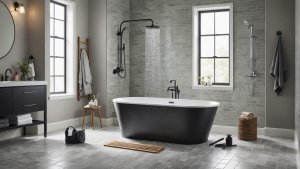
In today’s world, the concept of accessibility and safety in the bathroom has gained significant importance, especially when it comes to designing showers. The notion of a barrier-free shower has revolutionized the way we approach bathroom design for individuals with mobility challenges. Creating an accessible shower space not only enhances the overall functionality of the bathroom but also promotes independence and safety.
Understanding the Importance of a Barrier-Free Shower
Enhancing Accessibility and Safety
Barrier-free showers offer a safe and accessible solution for individuals with limited mobility or wheelchair users. These showers are designed to be spacious, eliminating the need for traditional barriers like a bathtub. The incorporation of fixtures such as grab bars and built-in shower seats further enhances the accessibility and safety of the shower area.
Incorporating Universal Design Principles
Designing an Accessible and Barrier-Free Shower for Independence and Safety
Introduction
In today’s world, the concept of accessibility and safety in the bathroom has gained significant importance, especially when it comes to designing showers. The notion of a barrier-free shower has revolutionized the way we approach bathroom design for individuals with mobility challenges. Creating an accessible shower space not only enhances the overall functionality of the bathroom but also promotes independence and safety.
Understanding the Importance of a Barrier-Free Shower
Enhancing Accessibility and Safety
Barrier-free showers offer a safe and accessible solution for individuals with limited mobility or wheelchair users. These showers are designed to be spacious, eliminating the need for traditional barriers like a bathtub. The incorporation of fixtures such as grab bars and built-in shower seats further enhances the accessibility and safety of the shower area.
Incorporating Universal Design Principles
Key Elements of a Barrier-Free Shower
When considering the design of a barrier-free shower, several key elements play a crucial role in ensuring accessibility and safety.
Walk-In vs. Traditional Bathtub
A walk-in shower is a popular choice for those seeking a barrier-free bathing experience. Unlike traditional bathtubs, walk-in showers provide easy access without the need to step over high barriers, offering increased safety and convenience for individuals with limited mobility.
Choosing the Right Fixtures
Selecting the appropriate fixtures for a barrier-free shower is essential to enhance accessibility and usability. Features like adjustable shower heads, strategically placed grab bars, and slip-resistant flooring can significantly improve the shower experience for individuals with mobility challenges.
Designing Shower Walls for Accessibility
When designing the shower walls of a barrier-free shower, it’s important to prioritize accessibility. Opt for materials that are easy to clean and maintain, consider adding seating options within the shower area, and ensure that the design allows for smooth transitions for wheelchair users.
Factors to Consider in Bathroom Design
When it comes to designing bathrooms, there are several factors to consider to ensure accessibility and safety for all individuals. Two key aspects to focus on are remodeling for accessibility and the benefits of barrier-free showers.
Remodeling for Accessibility
Remodeling a bathroom for accessibility involves making changes to the layout and fixtures to accommodate individuals with mobility challenges. This can include widening doorways, installing grab bars, and creating a barrier-free shower space. By implementing these modifications, the bathroom becomes more user-friendly and safer for all users.
Benefits of Barrier-Free Showers
Barrier-free showers offer numerous advantages, especially for individuals with limited mobility or wheelchair users. These showers are designed to be spacious, eliminating the need for traditional barriers like a bathtub. Additionally, features such as built-in shower seats and grab bars enhance the safety and accessibility of the shower area, making it a crucial element in accessible bathroom design.
Innovative Shower Ideas for Accessibility
Designing an accessible and barrier-free shower involves incorporating innovative ideas to enhance usability and promote independence. These ideas not only focus on accessibility but also on safety and comfort for users with mobility challenges.
Special Features for Enhanced Safety
Special features like grab bars, non-slip flooring, and handheld showerheads can significantly enhance safety in a barrier-free shower. These safety elements provide added support and stability for individuals with limited mobility or wheelchair users, ensuring a secure shower experience.
Creating a Spa-Like Experience
To create a spa-like experience in an accessible shower, consider adding features like multiple shower heads, built-in seating, and customizable lighting. These elements can transform the shower space into a relaxing oasis, promoting a sense of luxury and comfort for users.
In conclusion, innovative shower ideas play a crucial role in designing accessible and barrier-free showers that cater to the diverse needs of individuals with mobility challenges. By integrating special safety features and creating a spa-like ambiance, the shower experience can be transformed into a safe, enjoyable, and therapeutic routine.
Q: What are the key features of a barrier-free shower that promote independence and safety?
A: Barrier-free showers are designed with safety and ease of use in mind, making them ideal for people with mobility issues. Key features include a shower base that allows for easy access, eliminating any tripping hazards, anti-slip flooring for added safety, and the absence of a traditional shower threshold, which allows individuals to roll directly into the shower. These features, along with options like grab bars and a shower curtain that prevents water from escaping while ensuring privacy, contribute to a safer bathroom environment.
Q: How does bathroom remodeling with a focus on creating an accessible shower impact the value of your home?
A: Bathroom remodeling that includes the addition of an accessible, barrier-free shower can significantly increase the value of your home. By making it easier for people of all abilities to use the bathroom safely and independently, you’re not only enhancing the functionality of your home but also making it appealing to a wider range of potential buyers who appreciate the inclusiveness and forward-thinking design. Moreover, the ada-compliant features and universal design aspects of barrier-free showers often make homes stand out in the market.
Q: What are some special shower design considerations for barrier-free showers?
A: When customizing your barrier-free shower, several special design considerations should be taken into account to ensure maximum safety and independence for users. These include a roll-in shower base to facilitate direct access by wheelchair users, a hand-held showerhead that can be easily reached from a seated position, open showers that eliminate doors and reduce confinement, strategically placed grab bars for support, and the use of anti-slip materials throughout the shower area. These design elements make the shower more accessible while also ensuring it meets ADA-compliant standards.
Q: Can you incorporate stylish design elements into a barrier-free shower?
A: Absolutely! Creating an accessible shower doesn’t mean you have to sacrifice style. Barrier-free or roll-in showers can be as aesthetically pleasing as any traditional shower designs. With the help of modern bath and shower materials and finishes, you can customize your barrier-free shower to match your bathroom’s overall aesthetics. From elegant tile patterns to sleek glass panels, there are numerous stylish options that ensure your bathroom looks beautiful while remaining functional and safe for all users.
Q: What are the advantages of choosing a roll-in over a traditional type of shower?
A: Roll-in showers offer several advantages over traditional shower types, primarily due to their accessibility and safety features. These showers eliminate the need for a step or threshold, making them ideal for users with mobility issues or those who use a wheelchair. Roll-in showers are also typically more spacious, allowing for easy maneuverability inside the shower. Additionally, their open design minimizes risks of falls and injuries, making the bathroom a safer environment for everyone. Their practicality in promoting independence without compromising on style makes roll-in showers a preferred choice for many.
Q: How can I start planning my barrier-free bathroom remodeling project?
A: Planning a bathroom remodeling project to include a barrier-free shower begins with understanding your specific needs and the space you have available. It would be wise to contact us today to discuss your vision and any particular requirements you or your family members might have. Our experts can provide you with a comprehensive guide to barrier-free shower options to meet your needs, assist in selecting the right materials, and discuss customization options that enhance safety, accessibility, and aesthetics. Starting with a professional consultation can ensure that your remodeling project is successful and meets all your expectations.
Q: Are barrier-free showers only for people with disabilities?
A: No, barrier-free showers are designed for everyone to enjoy. While they are an essential feature for individuals with disabilities, providing easy access and enhanced safety, their benefits extend to a wider audience. Families with young children, elderly residents, or anyone who values a sleek, modern bathroom design can appreciate the convenience and accessibility of a barrier-free or roll-in shower. Its universal design principles ensure that the bathroom is comfortable, safe, and accessible for all users, regardless of age or mobility level.
Q: What maintenance considerations should I be aware of with barrier-free showers?
A: Barrier-free showers are designed with ease of use and low maintenance in mind. However, like any bath and shower solution, they do require regular cleaning to prevent mold and mildew buildup. Thanks to their open design and lack of doors or barriers, these showers are often easier to clean compared to traditional showers. Choosing non-porous materials for the shower base and walls can also minimize maintenance. Additionally, installing a water-resistant shower curtain and ensuring proper ventilation will help keep your barrier-free shower looking beautiful and functioning well for years to come.